You're Being Watched Back: What Streaming Platforms Know About You That You Don't

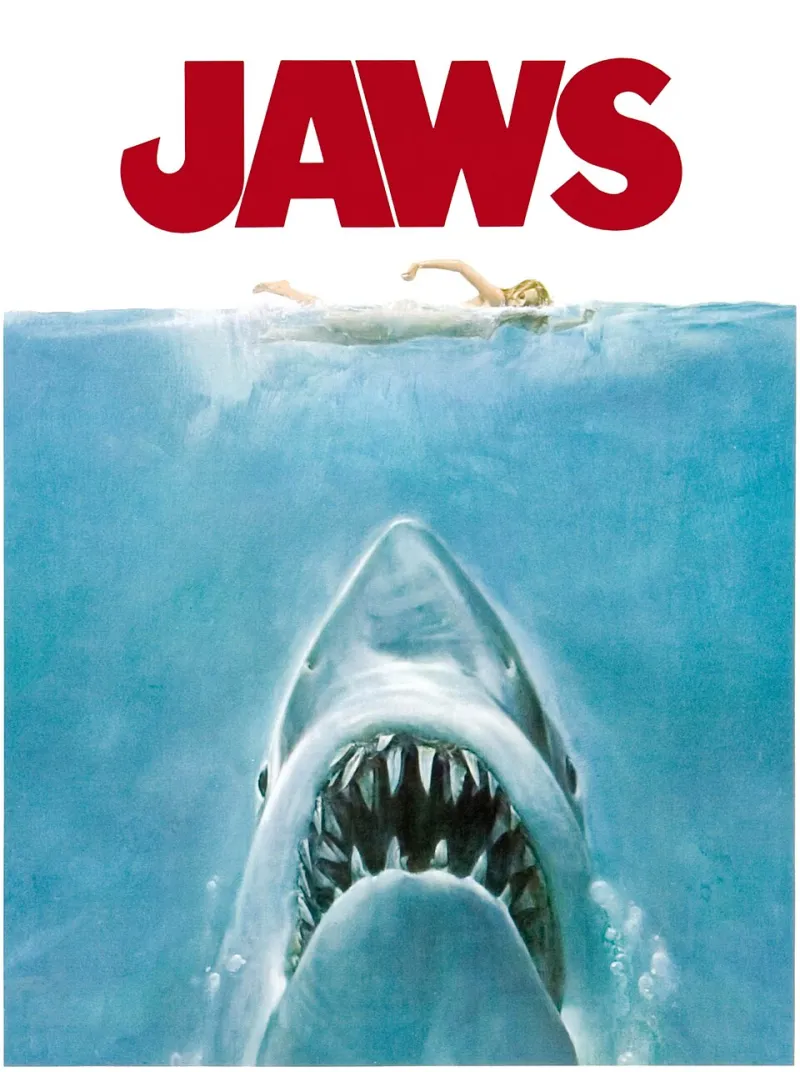
Photo: Susanne Nilsson from Trelleborg, Sweden, CC BY-SA 2.0, via Wikimedia Commons
You crack open Netflix on a Tuesday night, scroll for twelve minutes, and somehow end up rewatching a show you've already seen three times. Feels like your choice, right? It wasn't. Not entirely.
Streaming platforms have quietly built one of the most sophisticated behavioral surveillance systems in consumer tech — and they've wrapped it in a pastel UI so friendly-looking you'd never guess it was studying you. Every pause, every skip, every time you let the credits roll instead of hitting "next episode" — all of it goes into a profile that knows your emotional state better than your group chat does.
Let's break down what they're actually tracking, why they hide it, and what you can decode about your own habits if you know where to look.
The Data Points You Never Agreed To Think About
The obvious stuff — what you watch, when you watch, how long you watch — that's just the surface layer. Streaming platforms go several levels deeper.
Scroll behavior is a big one. Netflix has publicly acknowledged that it tracks how long you spend browsing before selecting something. That number — sometimes called "consideration time" — tells the platform whether you found what you wanted fast or whether you were frustrated. A long scroll session followed by a rewatch signals indecision. The algorithm files that away.
Completion rates matter more than plays. Starting a movie counts for almost nothing. Finishing it, or stopping at the 40-minute mark, or rewinding a specific scene twice — those are the signals that actually reshape your recommendation feed. Platforms weight these signals heavily because they're harder to fake with passive behavior.
Time-of-day patterns reveal mood. The shows you watch at midnight are different from what you queue up on a Sunday afternoon, and the platforms know this. Hulu and Disney+ both use temporal data to shift what surfaces in your "recommended" row depending on when you open the app. Night-owl you and brunch-time you might see completely different homescreens.
The Interface Is a Magic Trick
Here's where it gets genuinely wild: the UI itself is a psychological instrument.
That autoplay countdown — the 5-second timer before the next episode starts — isn't a convenience feature. It's an opt-out mechanism disguised as a default. The cognitive load of actively stopping something is higher than letting it roll, so most people let it roll. Platforms know this. They designed it knowing this.
Thumbnail A/B testing is another layer most users never see. Netflix is famous for serving different thumbnail images for the same title to different users. If your watch history skews toward dramas with complex female leads, you might see a thumbnail featuring a woman looking intense. If you've been on a thriller binge, the same movie's thumbnail might show a shadowy figure or a weapon. Same content, different emotional hook, all based on what they think will make you specifically click.
The "Top 10 in the U.S." row is also doing more work than it looks like. Social proof is a powerful motivator, and surfacing a popularity ranking creates urgency. But those lists are also curated with the platform's business interests in mind — original content that costs them less in licensing fees tends to get a visibility boost.
Why They Deliberately Obscure the Logic
None of these platforms publish their recommendation algorithms. That's not an accident.
If users understood exactly how they were being sorted and served content, two things would happen: people would game the system, and people would feel surveilled. Neither outcome is good for engagement. The mystification is intentional — it keeps the experience feeling organic and personal rather than mechanical and extractive.
There's also a competitive angle. The recommendation engine is genuinely proprietary technology. Netflix has spent hundreds of millions developing theirs. Revealing how it works would be like handing a trade secret to Amazon Prime Video.
But the opacity has a darker edge too. When you can't see the logic, you can't push back against it. You can't notice when the algorithm is nudging you toward content that keeps you on the platform longer rather than content you'd actually find most satisfying. Those two things aren't always the same.
What You Can Actually Decode From Your Own Account
You're not completely in the dark. There are real ways to read your own behavioral data and understand what the platform thinks it knows about you.
Check your viewing history. Most platforms let you access a full list of everything you've watched. Scroll through it honestly. The patterns are usually more revealing than people expect — genre clustering, binge windows, the shows you started and quietly abandoned. That abandoned list is especially telling; it's your revealed preferences fighting against your stated ones.
Notice your homepage rows. The order and content of your recommendation rows are a mirror. If you're seeing a lot of a specific genre, subgenre, or tone, that's the algorithm's current read on you. If something feels off — like you're being served content that doesn't feel like "you" — it often means you watched something recently that skewed your profile.
Use the rating system if your platform has one. Netflix removed its star ratings years ago in favor of a thumbs system, which is deliberately blunter. A thumbs up/down gives the platform less nuance to work with, which keeps you more dependent on its own predictions. If you have access to granular ratings, use them. It's one of the few ways to actively talk back to the algorithm.
Create separate profiles for different moods. This one's underused. Keeping your late-night horror habit in the same profile as your Sunday documentary phase creates a muddled signal. Separate profiles let you maintain cleaner recommendation feeds and, more importantly, let you see how differently each version of your viewing self gets treated.
The Bigger Picture
Streaming platforms aren't evil for doing this. Personalization, when it works, is genuinely useful. The problem is the asymmetry — they know an enormous amount about your behavior and you know almost nothing about their methods.
That gap is worth closing, even partially. Understanding that your "For You" feed is a constructed artifact rather than a neutral reflection of good content changes how you engage with it. You start watching more intentionally. You notice the nudges. You make the choice to skip the autoplay instead of letting it carry you through four more episodes of something you're only half-enjoying.
The algorithm isn't your enemy. But it's not your friend either. It's a very smart system with its own objectives — and knowing that is the first step to actually being in control of your remote.
At Termerj, we're always looking at what's running underneath the surface. This is just one more signal hiding in plain sight.