The Face That Wasn't There: When Streaming Platforms Quietly Swap Out the Actors You Remember
There's a particular kind of vertigo that hits when you rewatch something from your past and realize the person on screen isn't the one you remember. Not a different character. A different actor. Same role, same lines, same blocking — but a completely different human being where someone else used to be.
This isn't a glitch. It's a policy.
Streaming platforms have spent years quietly building out the technical and legal machinery to do exactly this — to pull a face out of an archived piece of entertainment and drop another one in. Sometimes it's announced. Mostly it isn't. And the implications of that quiet power are a lot more unsettling than any single casting swap.
The Mechanics of Disappearing
Let's start with the boring part, because the boring part is actually the most revealing.
When a streaming platform licenses a film or TV show, it's not necessarily licensing everything in it. Actors' likenesses, residual agreements, music rights, even certain visual effects can be held under separate contracts that expire, get disputed, or get complicated when a performer becomes legally or reputationally inconvenient. When those contracts fall apart, the platform has a choice: pull the content entirely, or modify it.
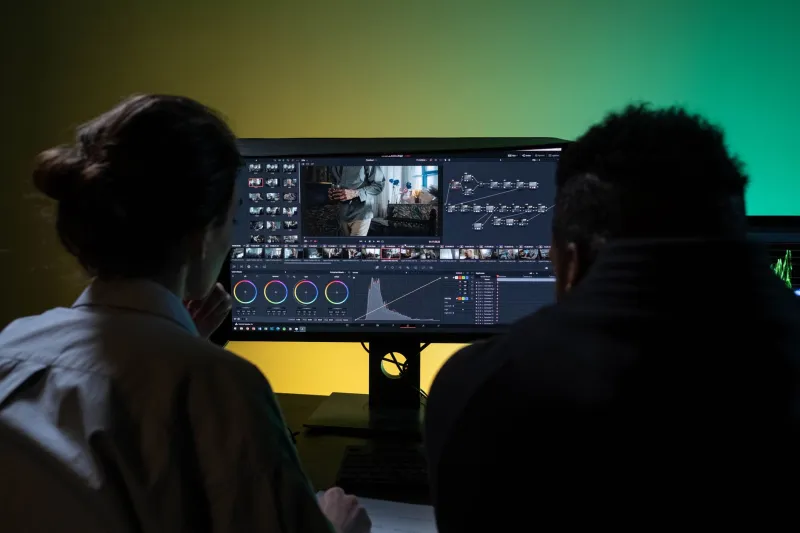
Modification has gotten scarily easy. Digital compositing technology that once required a Hollywood budget can now be executed with a fraction of the resources. Face replacement, body double integration, re-dubbed audio — these aren't science fiction anymore. They're post-production line items.
The result is that a streaming library isn't a museum. It's a living document that can be edited, quietly, at any point after the original release.
When Viewers Actually Noticed
The cases that made it into public conversation are the ones where the swap was either too obvious or too politically charged to stay quiet.
Kevin Spacey's removal from All the Money in the World in 2017 is the most discussed example — Ridley Scott reshot his scenes with Christopher Plummer in a matter of weeks after the accusations surfaced. That one was loud. It was a press event. But it set a precedent that the industry quietly absorbed: the past is editable, and audiences will largely accept it.
Less discussed is what happens at the streaming library level, where changes don't come with press releases. Reddit threads and fan forums have documented cases where background actors, recurring guest stars, and even supporting leads appear differently across platform versions versus physical media releases. Sometimes it's a licensing issue with a performer who later became problematic. Sometimes it's a rights dispute that nobody wants to litigate in public. Sometimes it's just... unexplained.
The pattern that emerges from these threads is telling: the people who notice are almost always the ones watching with a physical copy in hand for comparison. Everyone else just updates their memory to match what they're seeing.
The Scandal Suppression Angle
Here's where it gets genuinely murky.
Platforms don't publish a changelog when they modify archived content. There's no version history, no disclosure requirement, no asterisk on the thumbnail that says this is not the original cut. That absence of transparency creates a very convenient gray zone for one specific use case: making a problematic performer disappear from something people still want to watch.
The entertainment industry has a long history of trying to manage the reputational fallout of its own members. What's changed is the capability. Instead of pulling content (which creates headlines) or leaving it up (which creates backlash), there's now a third option: edit. Quietly. And let the audience's own imperfect memory do the rest of the work.
There's no confirmed, documented case of a major platform doing this purely for scandal suppression without any accompanying announcement — but the infrastructure for it exists, the incentive is obvious, and the lack of transparency makes it nearly impossible to rule out.
What This Does to Collective Memory
Human memory is already unreliable. We know this. But it's unreliable in ways that are somewhat predictable — we compress timelines, we fill gaps with plausible details, we smooth over inconsistencies. What we're less equipped for is an external source actively exploiting that unreliability.
When a platform modifies archived content without disclosure, it's not just changing a file. It's inserting a false memory into the cultural record. If you watched a show as a kid and the streaming version now has a different actor in a recurring role, your childhood memory becomes the outlier. The platform version becomes the default truth, because that's what's accessible, shareable, and citable.
This is a different kind of problem than, say, a director releasing an extended cut or a remaster. Those are additions or enhancements to an original that still exists in documented form. A quiet actor swap is a substitution — a claim that this is what it was, when it isn't.
Physical media collectors have been sounding this alarm for years, and the entertainment mainstream has mostly treated them like hobbyists overreacting. But the concern is legitimate: if the only surviving version of something is the platform version, and the platform version has been edited, then the edited version is history.
The Question Nobody's Asking Platforms
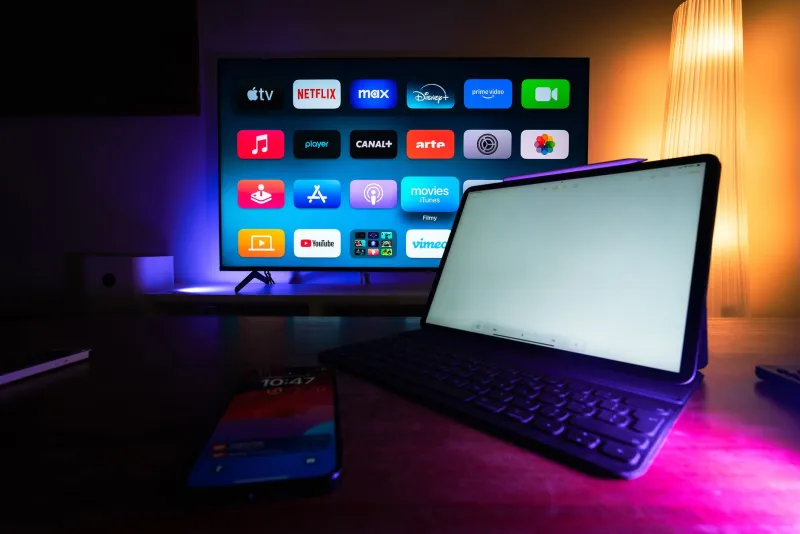
Streaming services get asked a lot of questions. About pricing, about password sharing, about cancellation policies. Almost nobody in mainstream media is asking them to account for what they do to the content itself after acquisition.
There's no federal regulation requiring platforms to disclose modifications to archived content. There's no industry standard. There's not even a widely adopted informal norm. It's a completely unregulated space, which means the only check on it is audience vigilance — and audience vigilance requires knowing what to look for.
So here's what to look for: compare. If something feels off on a rewatch, look for a physical release. Check fan communities. Cross-reference episode databases. The discrepancies, when they exist, tend to surface in those spaces before they surface anywhere else.
Because the platforms certainly aren't going to tell you.
The Bigger Decode
This isn't really about any single actor or any single swap. It's about who controls the record.
We've handed a significant portion of our shared cultural memory to a handful of subscription services, and those services have the technical capability, the legal latitude, and the financial motivation to quietly revise that memory whenever it suits them. The original version of something you loved might already be gone. You just haven't had reason to check yet.
The face you remember might not be the face that's there anymore. And the unsettling part isn't the swap itself — it's how easily the rest of us just... update our memory to match.