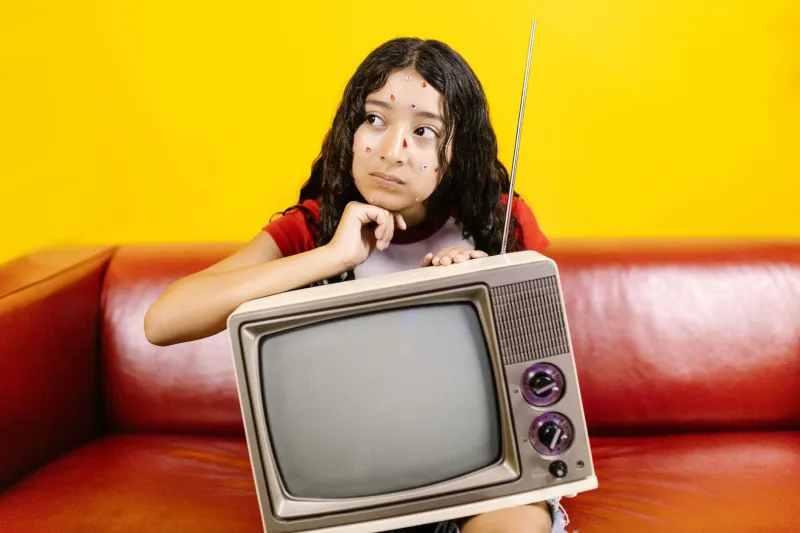
You're Not Watching Live: The Hidden Time War Splitting Every Audience in America
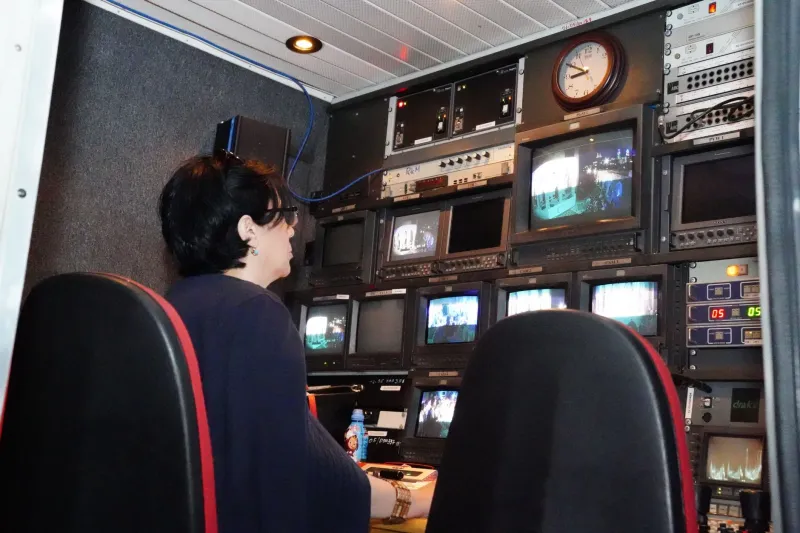
Here's something nobody at the network wants to say out loud: you and your friend across town are not watching the same moment. You're watching two slightly different versions of time, stitched together by infrastructure decisions made in server rooms you'll never visit, shaped by engineers optimizing for outcomes that have nothing to do with your entertainment.
The illusion of simultaneity is one of television's oldest and most carefully maintained tricks. And it's getting weirder.
The Seven-Second Secret That Started Everything
Broadcast delay isn't new. Radio stations started using it decades ago after a few on-air disasters made networks realize they needed a cushion between the real world and what audiences actually hear. Television adopted it, and the FCC more or less institutionalized the practice after Janet Jackson's 2004 Super Bowl halftime moment sent the entire industry scrambling for cover.
That standard "seven-second delay" became the industry's favorite talking point—a neat, tidy number that sounds technical enough to satisfy curiosity without actually explaining what's happening underneath it. What they don't tell you is that seven seconds is just the floor. Depending on your delivery method, your device, your ISP, and about a dozen other variables, you could be sitting anywhere from three to forty-five seconds behind the moment the network considers "live."
Forty-five seconds. Think about that the next time you're live-tweeting something.
Buffering Is Not a Bug—It's Architecture
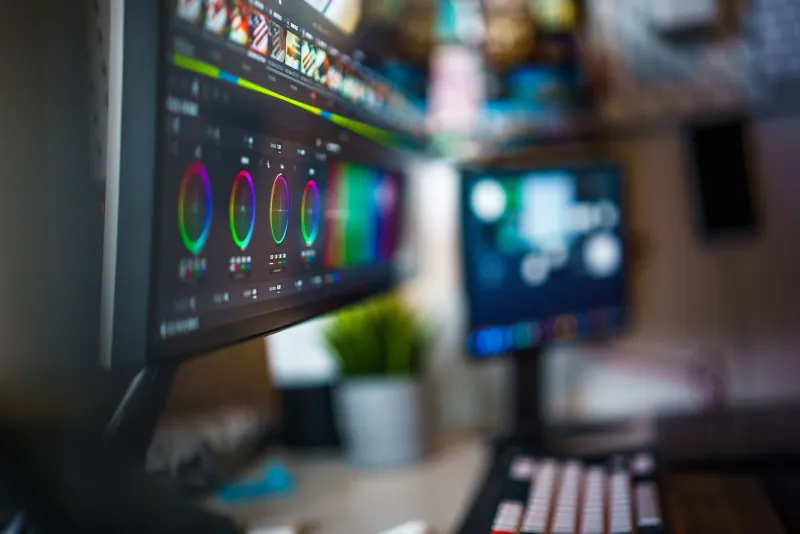
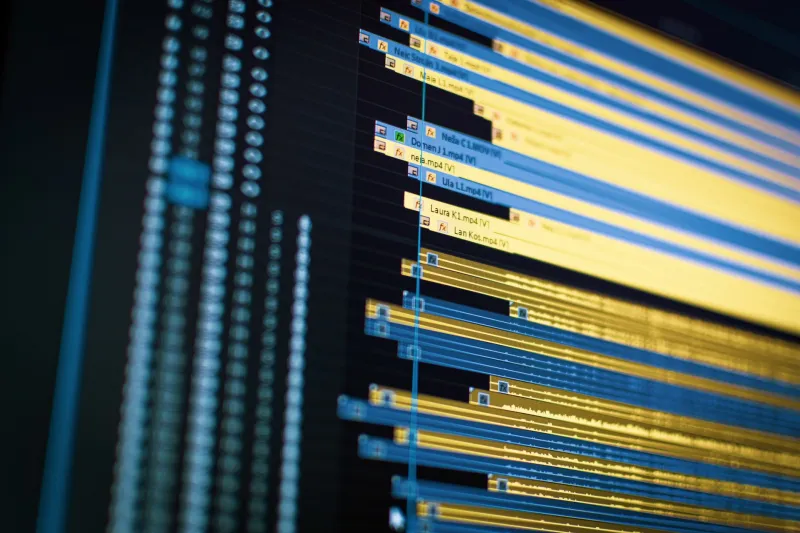
Streaming added a whole new layer of temporal chaos to this. When you watch something on a platform like Peacock or Paramount+ during a "live" event, your stream is passing through a content delivery network, getting chopped into tiny data packets, reassembled on your device, and then played back with a buffer that the platform controls. That buffer exists to prevent the stuttering and freezing that would otherwise ruin your experience.
But here's where it gets interesting: platforms can tune that buffer. They can push it wider or tighter depending on server load, regional demand, or the specific type of content being delivered. A sports event might get a different buffer profile than a live awards show, not because of technical necessity, but because of how the platform has decided to prioritize the experience.
The side effect? Audiences in different cities, on different devices, or even on different subscription tiers can be watching the same "live" broadcast with gaps between them that stretch into the minutes. When the buzzer sounds or the envelope gets opened, some of you already know. Most of you don't.
The Emotional Engineering Nobody Talks About
This is where things get genuinely unsettling. Networks have known for years that emotional response to television is contagious. When you hear other people reacting—laughing, gasping, cheering—your brain treats it as social proof that a reaction is warranted. It's why laugh tracks work even when we consciously know they're fake. It's why stadium noise in sports broadcasts makes the game feel more urgent.
Now apply that to live events in the fractured temporal landscape we've just described. If you're watching a live awards show and your feed is running behind, the social media conversation is already happening without you. Spoilers aren't just ruining surprises—they're actively pre-loading your emotional response before the moment even arrives on your screen. By the time you see the winner announced, you've already processed the outcome. Your "live" reaction is a performance of a feeling you already had.
Networks understand this dynamic. Some argue—and there's quiet evidence in how broadcast schedules get structured—that the delay architecture isn't just a technical artifact. It's a tool. Controlling when different audience segments receive information controls the shape of the conversation. If you can make Twitter explode about a moment before half the country has seen it, you've manufactured urgency. You've created the sensation of a cultural event happening in real time, even as the actual experience is scattered across a multi-minute window.
Cable, Satellite, and the Geography of Lag
Your delivery method matters more than you probably realize. Cable subscribers running a coaxial connection to a local provider are typically operating with the smallest delay—close to that baseline broadcast window. Satellite viewers, who are literally bouncing signals off objects in orbit, add measurable latency just from physics. Streaming viewers are at the mercy of server infrastructure that varies by region, platform, and time of day.
Then there's the device layer. Smart TVs process video differently than streaming sticks, which process it differently than your laptop browser, which process it differently than your phone. Each device introduces its own tiny processing delay—milliseconds individually, but stacked together across a household watching on multiple screens, you can end up with people in the same living room who are technically watching different moments.
This isn't hypothetical. It's why the "simultaneous reaction" videos people post—where a whole family watches a twist ending together—sometimes show weirdly staggered responses. Different people, different screens, different lags.
The False Consensus Machine
Perhaps the strangest consequence of all this is what it does to our sense of shared reality. "Live" television built its cultural power on the idea that millions of people were experiencing the same thing at the same second. The Super Bowl, the Oscars, election night coverage—these events derived meaning from their simultaneity. We were all in it together, right now, no exceptions.
That's no longer true, and hasn't been for a while. What we have instead is a manufactured consensus—a collective agreement to act as though we all saw the same thing at the same time, even as the actual experience is fragmented across a sprawling technical infrastructure that treats "live" as more of a suggestion than a commitment.
Social media platforms accelerate this by collapsing timestamps. A tweet posted thirty seconds after an event looks identical to one posted three minutes after. The feed flattens time, creating the impression of a unified real-time conversation that is actually a patchwork of reactions from people who experienced the moment at wildly different points.
What You Can Actually Do With This
Knowing about the lag doesn't make it go away, but it does change how you relate to the experience. If you're genuinely trying to watch something live without social media spoilers, airplane mode before the broadcast starts is your only real defense. Close the apps, mute the notifications, and accept that you're operating in your own private temporal bubble regardless.
If you're curious about your own delay, there are online tools that let you measure your stream's latency against a reference signal during major broadcasts. The numbers are usually humbling.
And the next time you feel that collective electricity of a live TV moment—that sense that the whole country just felt the same thing at the same second—sit with it for a beat. It's a beautiful feeling. It's also, technically, a fiction. A very well-engineered one.